By: Landon Scott | WV Sports Chat
Nine games into an 18-game Big 12 schedule, WVU basketball fans are still not sure what to make of their beloved Mountaineers. Most recently, West Virginia squared off against Baylor on Saturday to reach the official halfway mark of their conference slate. What followed was an anemic offensive performance against a Bears squad with one conference victory to their name heading into the contest.
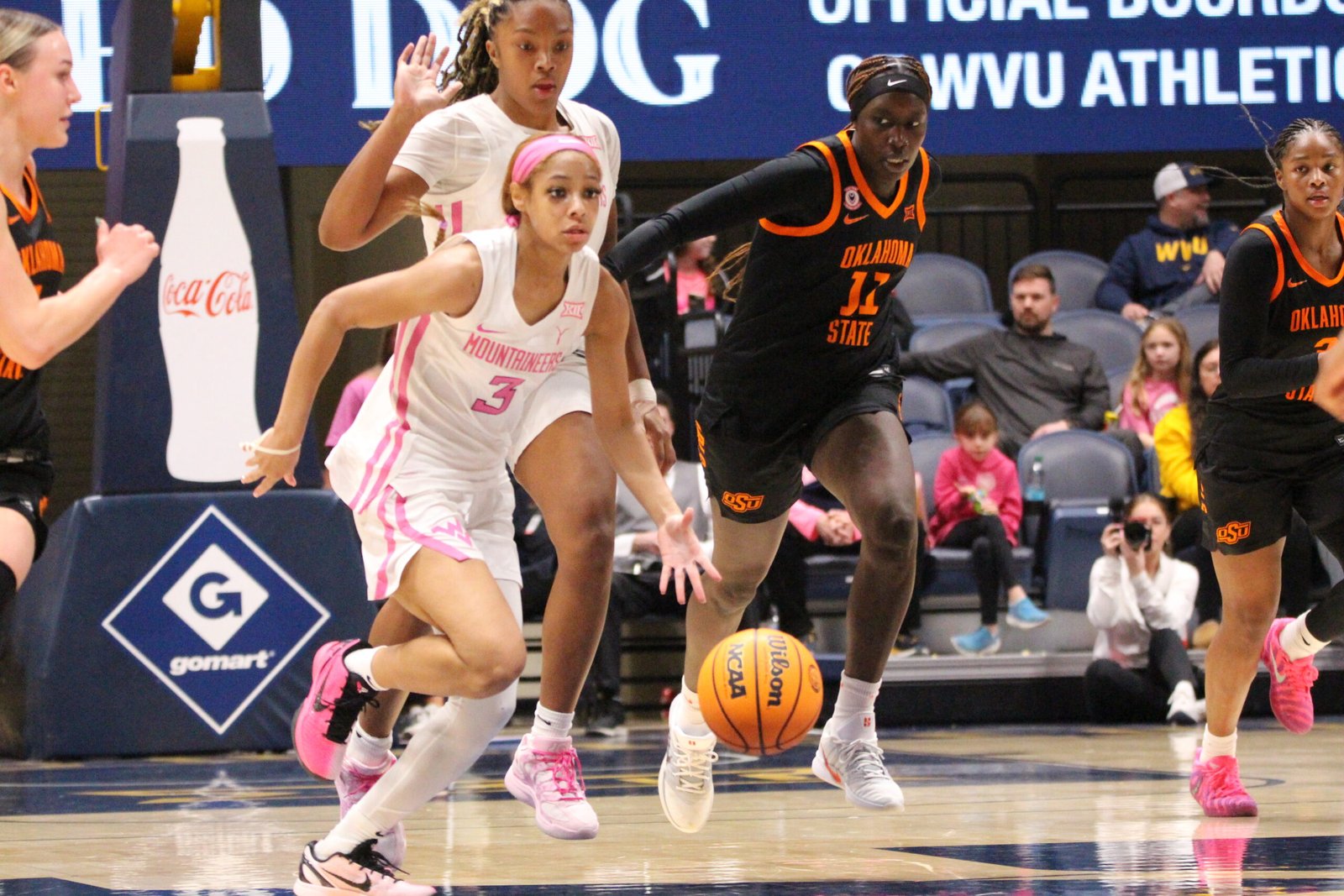
Baylor and WVU both struggled to find a rhythm on offense, leading to a final score of 63-53 in favor of the Bears. Poor shooting and turnovers doomed the Mountaineers in the last ten minutes of the game. Like in some of their non-conference losses, the Mountaineers faltered late in a close contest, producing a score not so indicative of a tight back-and-forth game. However, this one was a little different. Of WVU’s eight losses to date, the previous seven occurred away from Hope Coliseum; only this loss against Baylor has occurred on their home floor. Despite the change of circumstances, this loss looked and felt a lot like others before it.
In each of the Mountaineer’s eight losses, their shooting percentage was well below their season average, both from inside and outside the three-point line. A poor shooting night leading to a loss is not a groundbreaking revelation, but it is a troubling trend for a team who has been mostly dependent on one player to cash in from long range. WVU basketball’s leading scorer, Honor Huff, sits amongst the highest rated shooters in the country. However, in their conference losses, he has averaged only 8.5 points while shooting a stunning 6 of 35 (17%) from beyond the arc. In these games, opponents have managed to force Huff into difficult shots, often contested and falling away from the hoop. The only caveat to this information is that three of the conference losses came at the hands of: #1 Arizona, #7 Iowa State, and #8 Houston. Baylor simply duplicated the Huff defensive blueprint to stifle the Mountaineer offense. When Huff is cold, defenders stay true to their man, and open shots become hard to come by. When Huff is hot, defenders cheat to him, creating opportunities for the others on the floor. For most of the season, Huff has stood as the lone sniper on a team full of mid-range and low-post players. Fortunately for WVU, this may be changing.
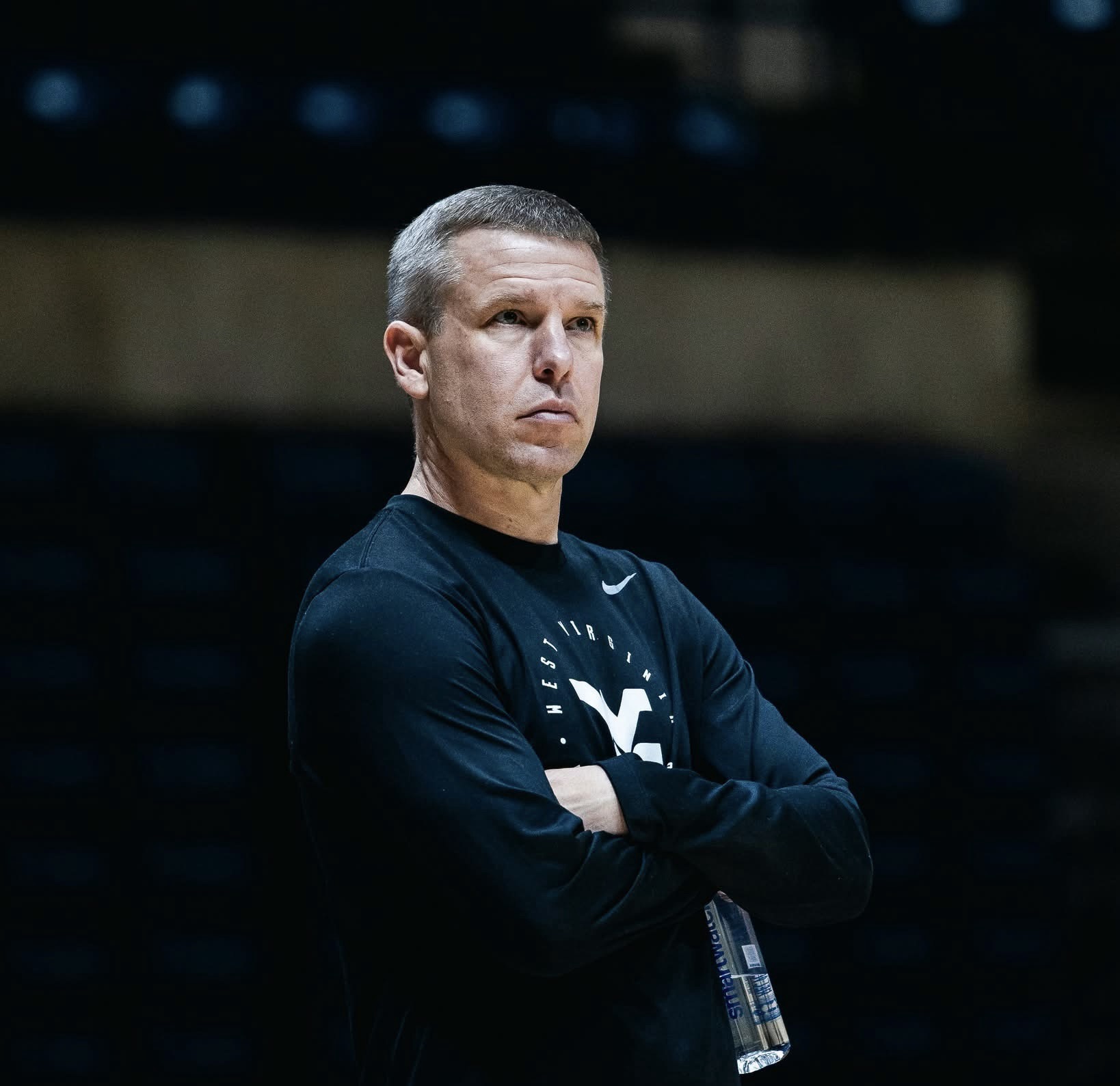
Treysen Eaglestaff joined the Mountaineers from North Dakota with a scoring average of 18.9 points-per-gam in 2024. For most of the 2025 season, he has struggled to find double figures. As a Bison, Eaglestaff regularly initiated the offense, giving him more freedom to create and roam after the pass. Recently, head coach Ross Hodge has begun experimenting with Eaglestaff in this capacity, as well as running him through ball-screens to free him up for a higher volume of shots. In the last five games, he has responded by averaging 15.2 points with a three-point output of 15 of 33 (45%). In the aforementioned Baylor game, it was Eaglestaff who fueled a furious first half run with three long range shots of his own that placed the Mountaineers in contention. Defensive adjustments in the second half saw his opportunities dry up as the defense keyed to him. However, the adjustment gave space to Huff, who hoisted numerous open shots, but failed to convert any opportunities. It marked one of the only occasions on the season in which Huff was not the defense’s focus for an extended stretch of the game. It exists as an example of how the West Virginia offense could open up in future games.
The Mountaineers sit at seventh place in the Big 12, propelled by a seventh ranked scoring defense in America. Six of the seven teams ahead of West Virginia in the conference standings are ranked in the top 25. KenPom, a metric which weighs a team’s offensive and defensive efficiency over one-hundred possessions, scores West Virginia as the 69th best team in the country. WVU boasts a positive KenPom strength of schedule rating, meaning they have (mostly) beaten the teams they were supposed to beat. Add in a signature win over Kansas, and the WVU men’s basketball team has a resume which puts on them on the far fringes of teams fighting for the last seat at March Madness. It has not been a great season thus far, but it has been a little better than okay.
Consider this: Except for three away games to top-ranked conference foes, West Virginia has been competitive in every single game they have played this season. Despite the offensive woes, the Mountaineers should have come away with added victories over 20th ranked Clemson and rival Ohio State. WVU managed to hang with Xavier and Baylor, only fading late, despite some of their worst shooting performances of the season. Even in their sloppiest games, the Mountaineers tend to hang around. Of WVU’s last nine games, only two will be against (current) ranked opponents. If Eaglestaff regresses back to his prior form, fans should still expect West Virginia to be competitive in most of these games until the very end. However, if Eaglestaff’s newfound output continues, the Mountaineers, and Ross Hodge’s ever-persistent defense, have an opportunity to storm through their remaining regular season games with a new identity. Adding a second shooting threat may stabilize shooting percentages just enough to seize a few more selection-committee-pleasing wins. WVU’s best may be yet to come.
Photo Credit: WVU Athletics